Time for Provincial Status

Banbhore Division, with a population of 3.9 million and an area of 31,436 km², is larger than 65 countries in population and 60 in land area including Qatar, Albania, Slovenia etc. Despite its immense potential in agriculture, coastal fisheries, and deep-rooted historical assets, it faces poverty, underdevelopment, and chronic neglect under the heavy centralization of Sindh's budget. Around 32.4% of its children are entirely out of school, it lacks adequate health facilities, infrastructure is crumbling, and the coastal belt remains highly vulnerable to climate change.
Key Socio-Economic Indicators
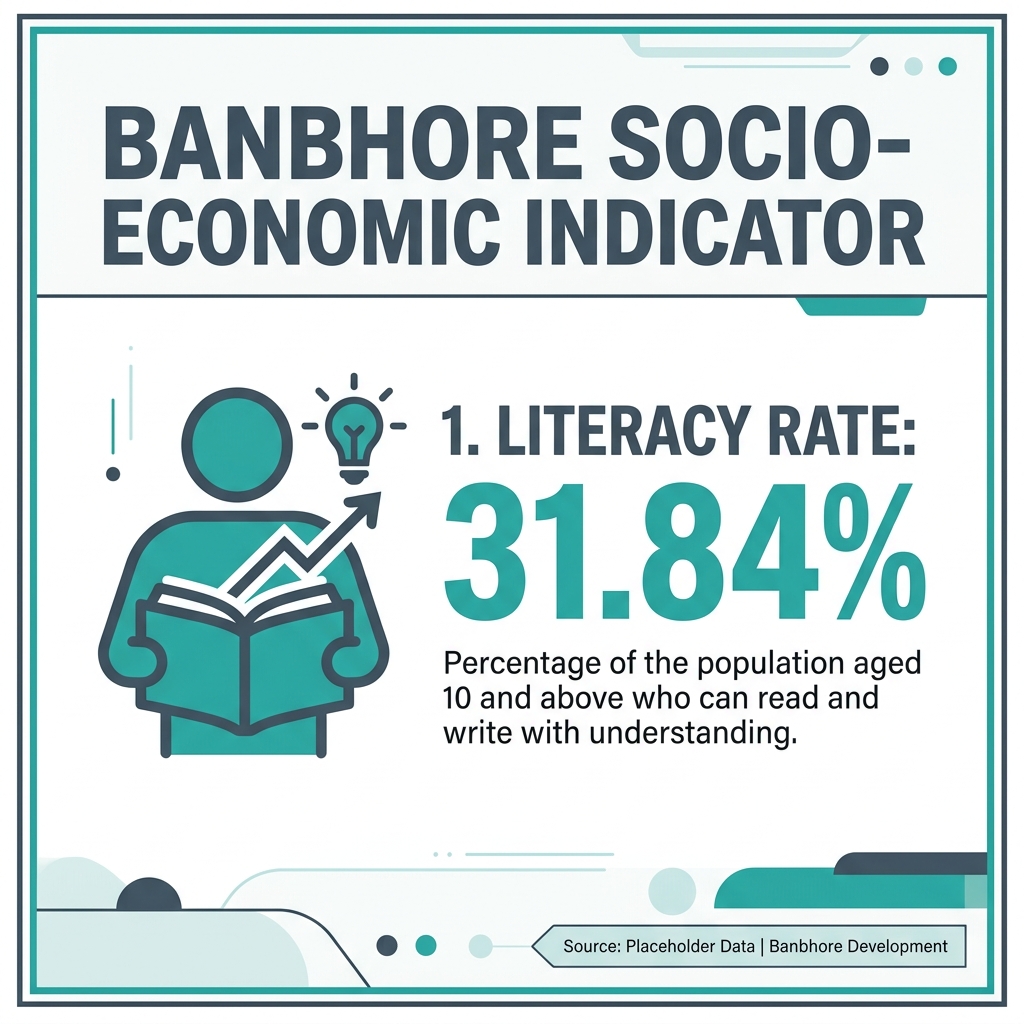
Literacy Rate 31.84%
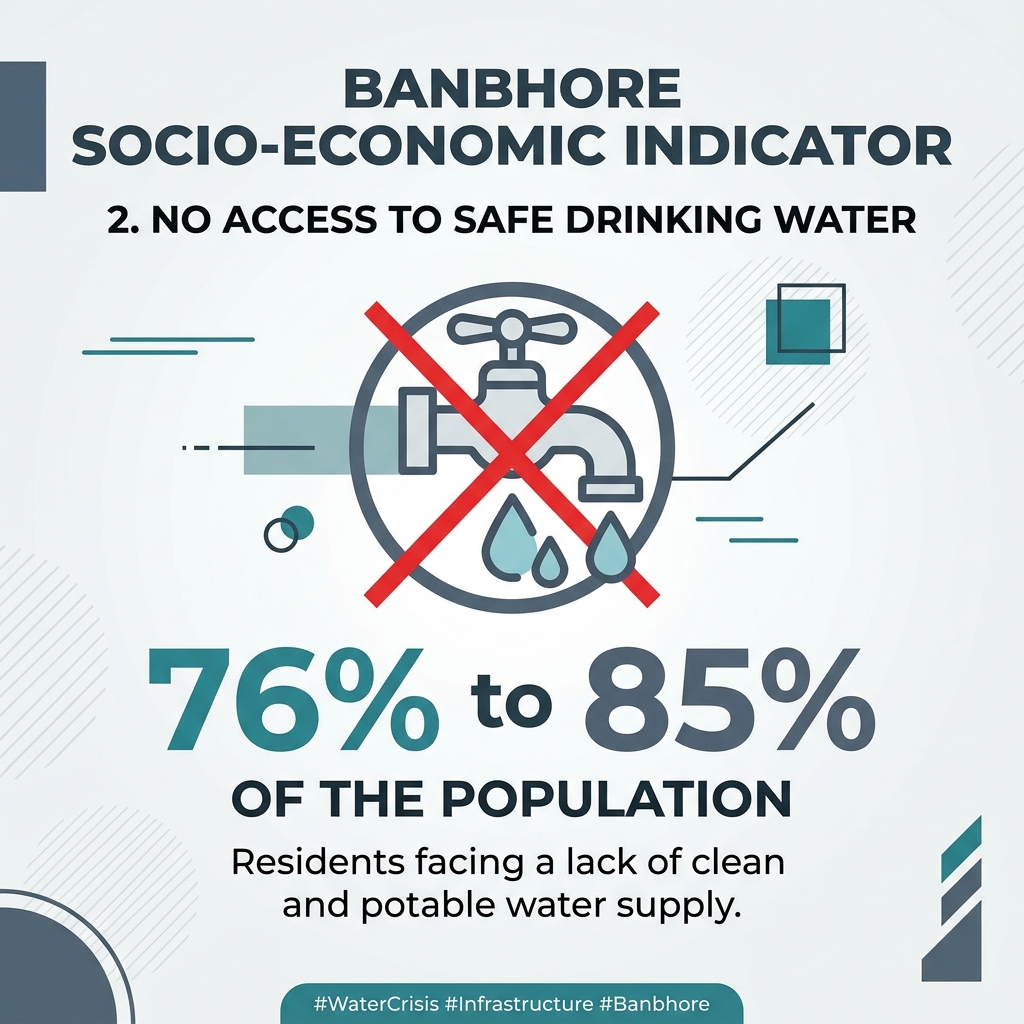
No Access to Safe Drinking Water 76%–85%
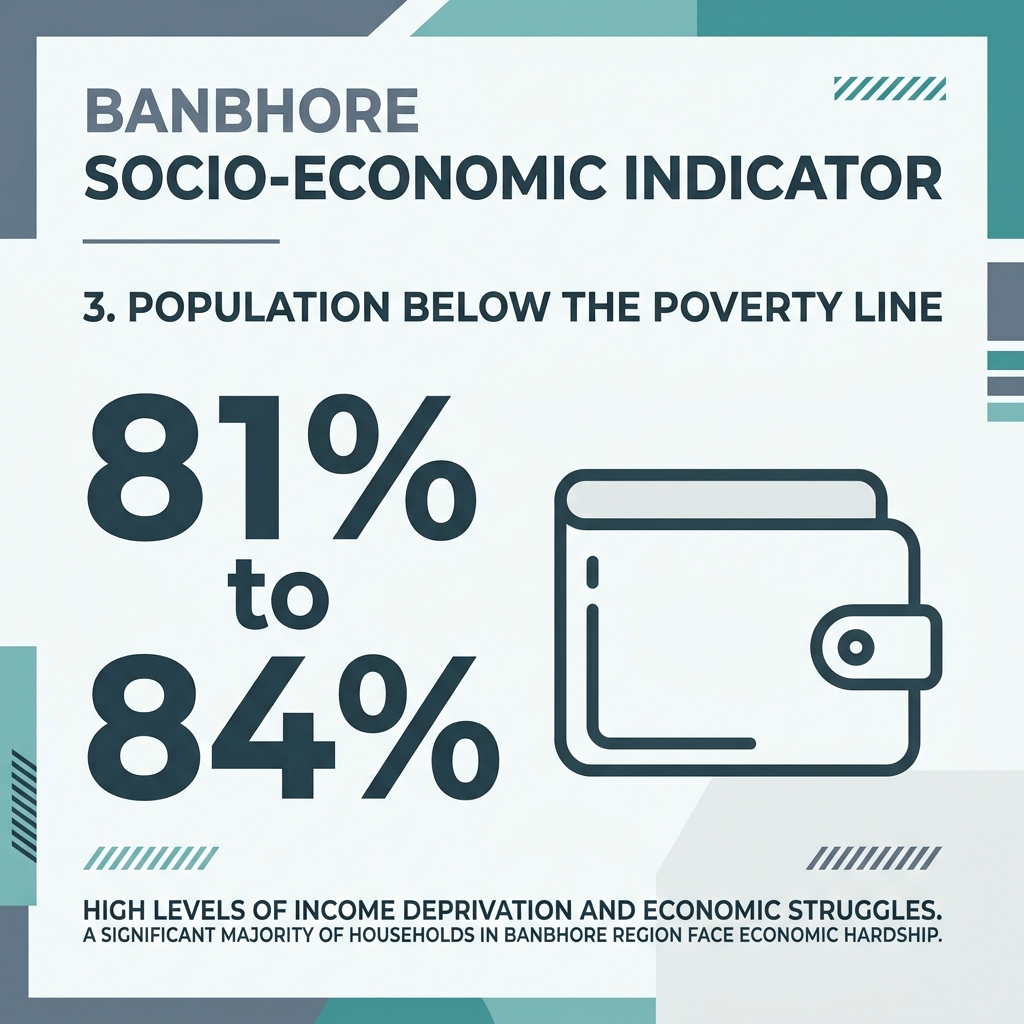
Population below the Poverty Line 81%–84%
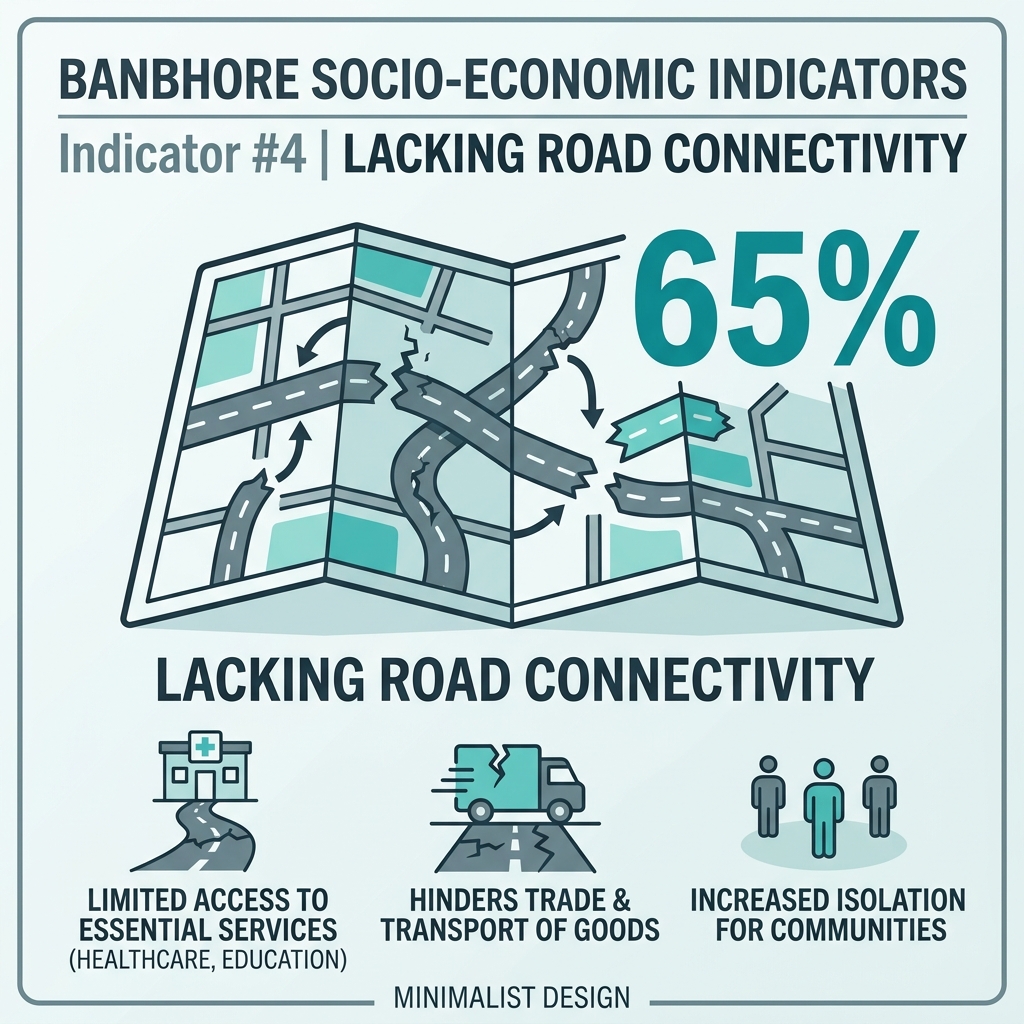
Lacking Road Connectivity 65%
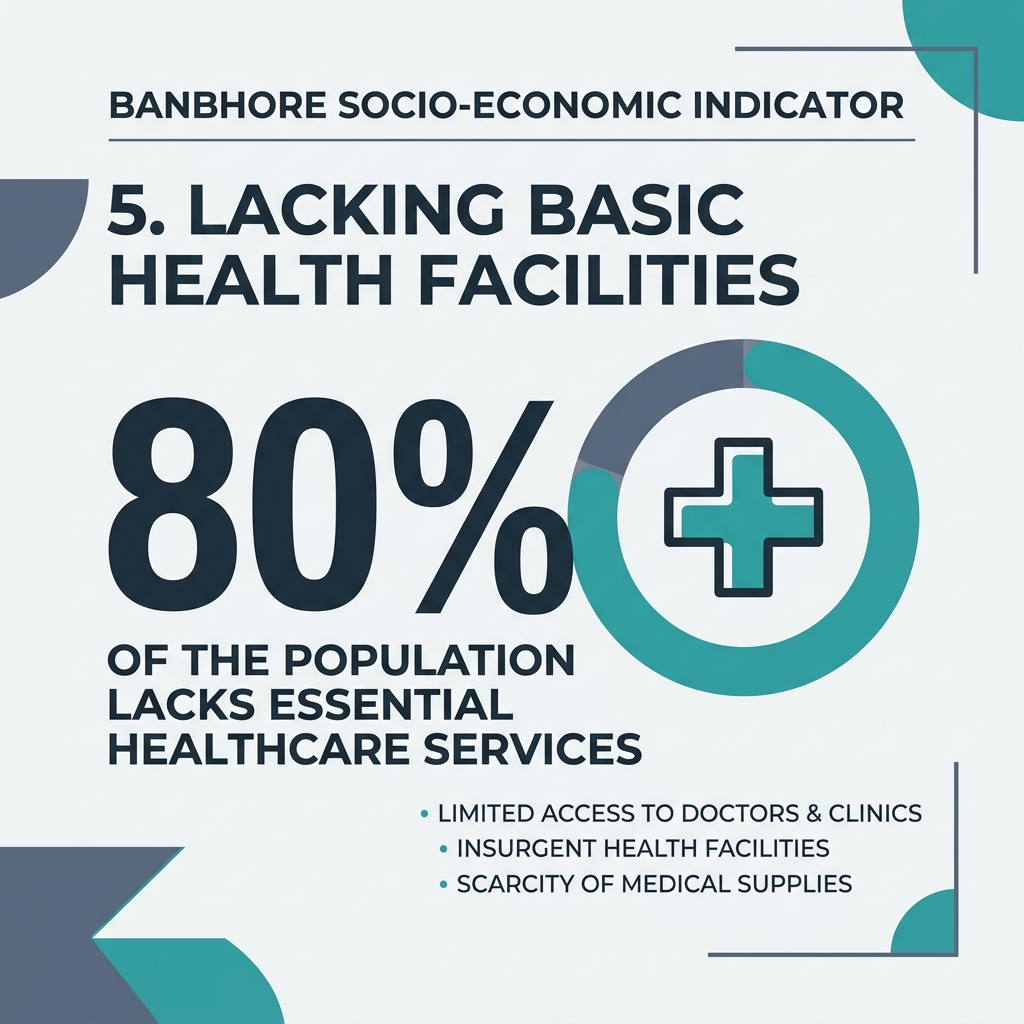
Lacking Basic Health Facilities 80%
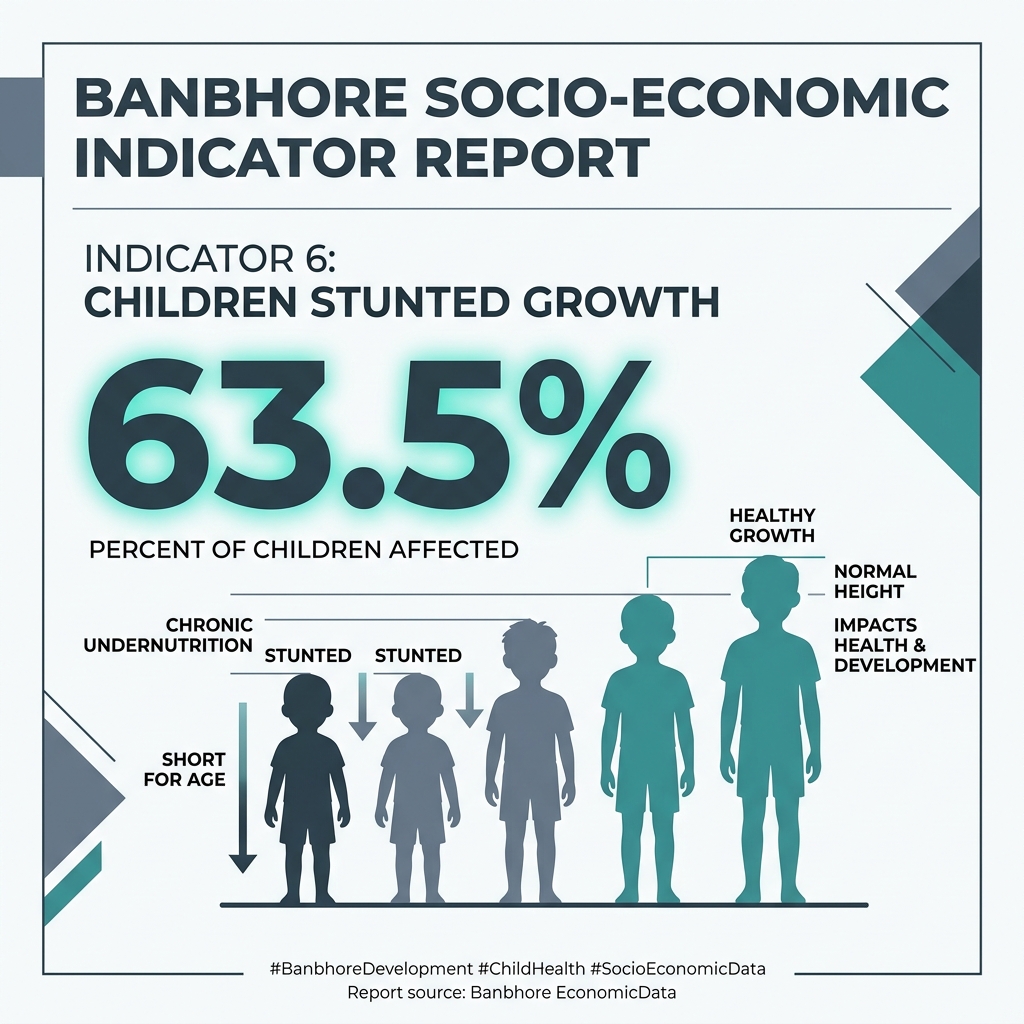
Children Stunted Growth 63.5%
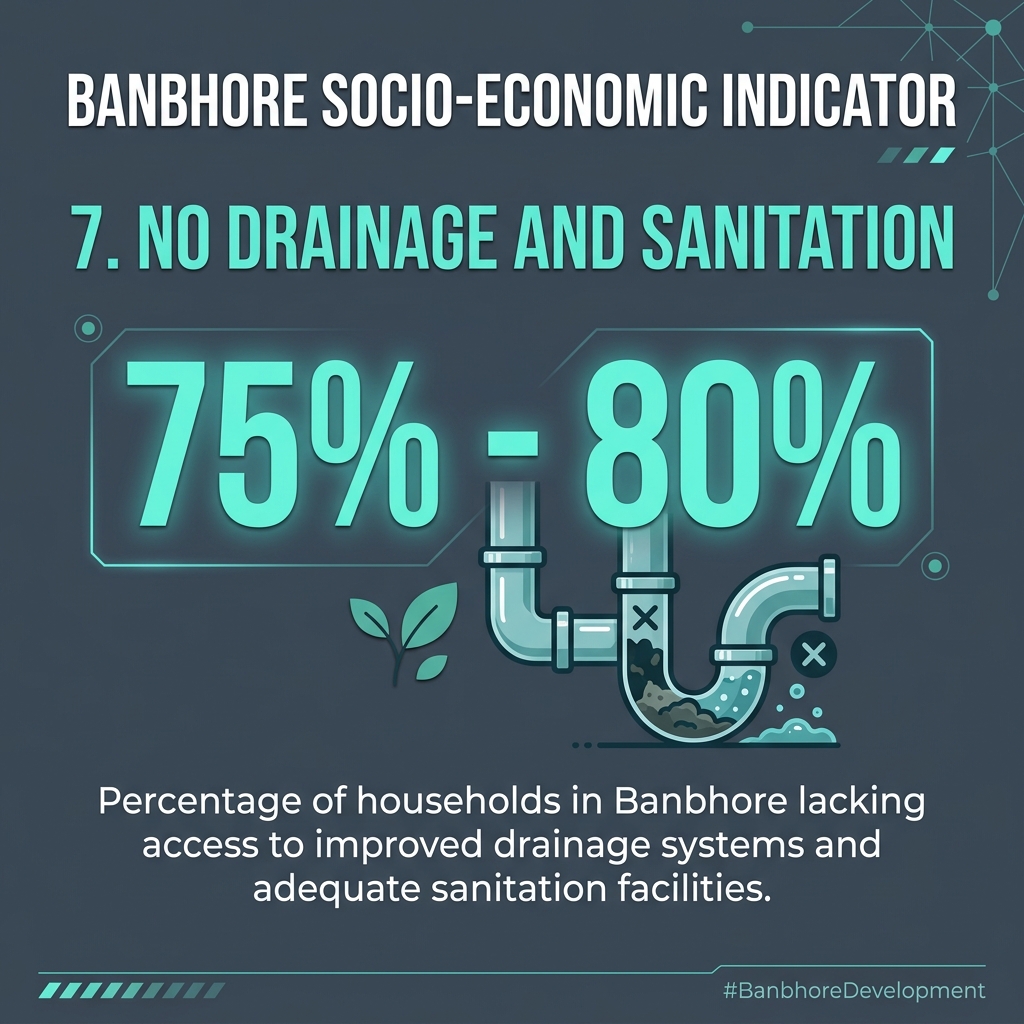
No Drainage and Sanitation 75%–80%
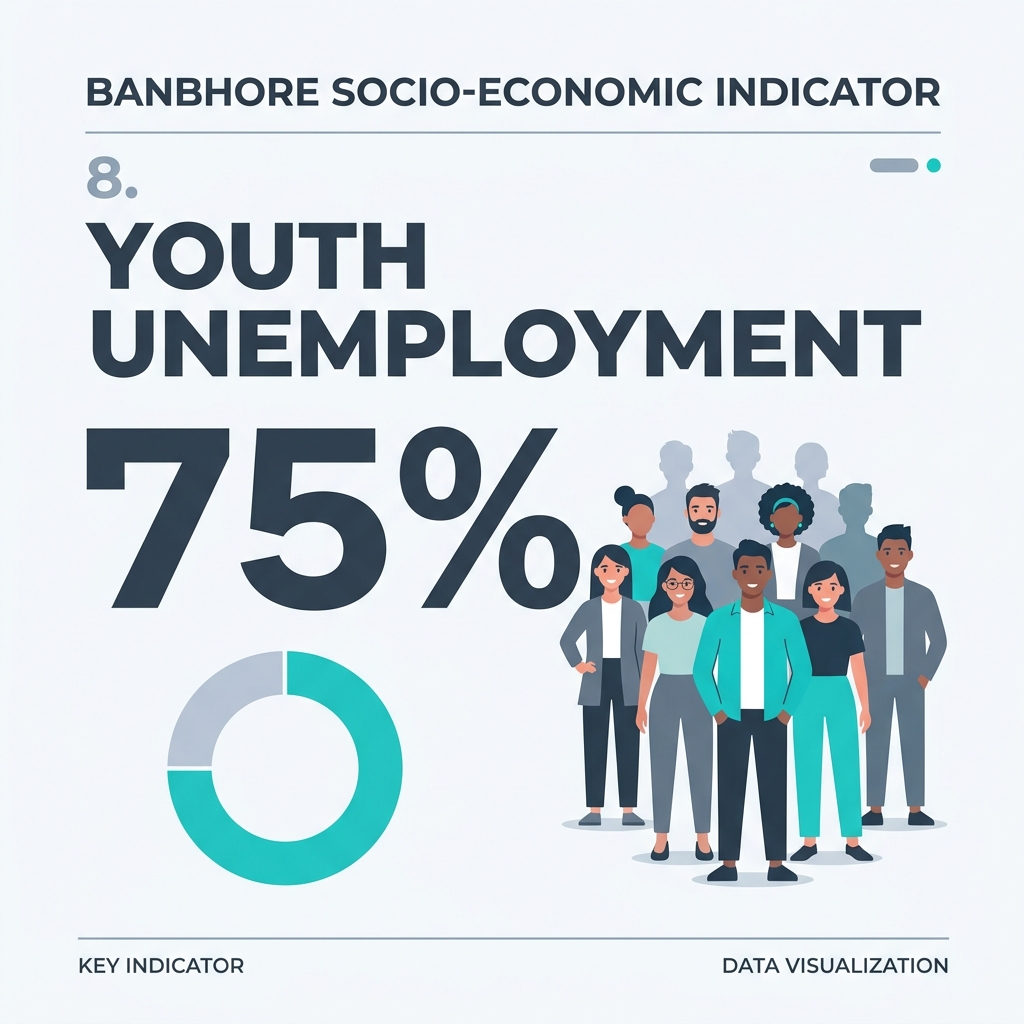
Youth Unemployment 75%
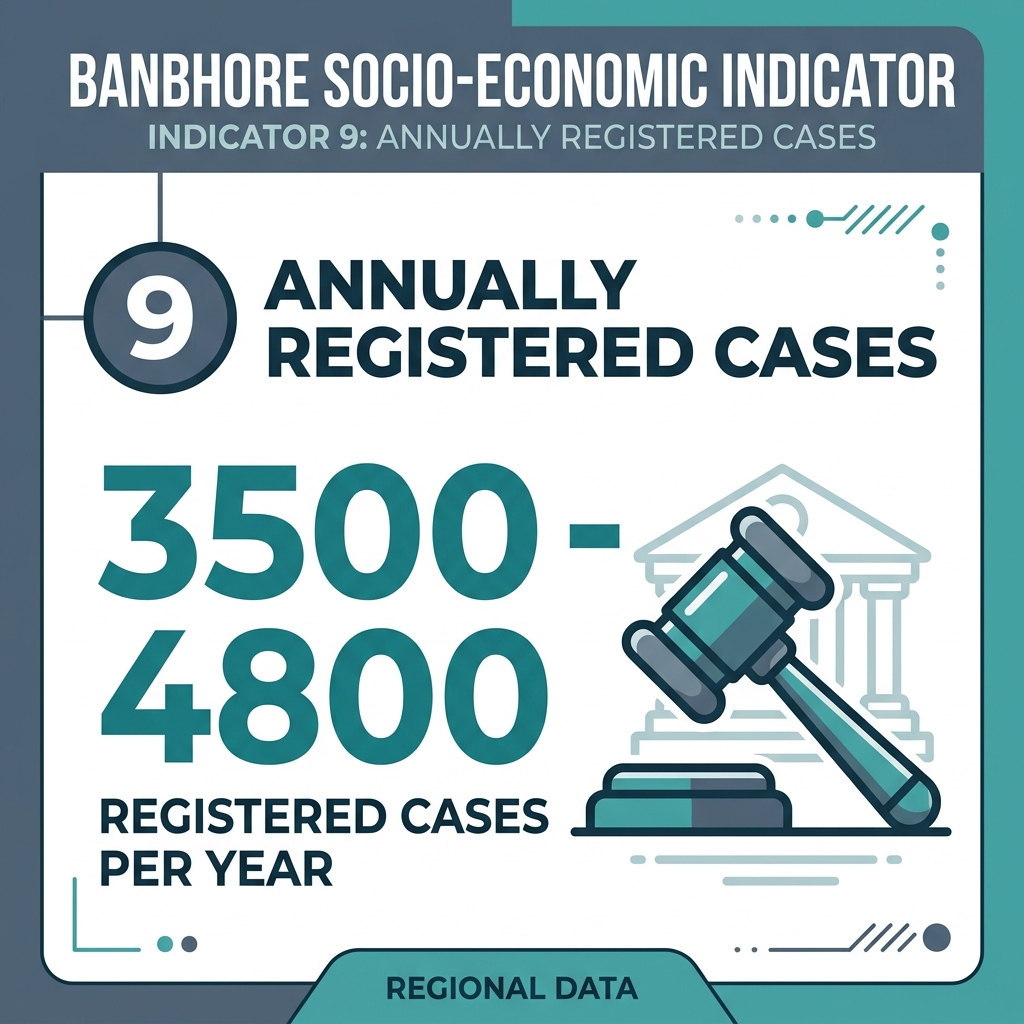
Annually Registered Crime Cases 3,500–4,800
Literacy rate — 31.84%
No access to safe drinking water — 76%–85%
Population below the poverty line — 81%–84%
Lacking road connectivity — 65%
Lacking basic health facilities — 80%
Children stunted growth — 63.5%
No drainage and sanitation — 75%–80%
Youth unemployment — 75%
Annually registered crime cases — 3,500–4,800
03
Districts
14
Tehsils
0
Population (2023 Census)
0
Area (km2)

Key Challenges

Banbhore Division suffers from severe healthcare deficits, poor sanitation, unsafe drinking water, low literacy, and high landless unemployment, driving an 84% multidimensional poverty rate.

  • Health Overload:
    Hospitals are overcrowded and under-resourced, unable to manage a severe public health crisis marked by a 63.5% childhood stunting rate.
  • Education Shortfalls:
    Foundational literacy stands at a critical low of 31.84% due to deficient school infrastructure, acute teacher shortages, and high dropout rates.
  • Sewerage Pollution:
    Over 75% of households completely lack wastewater drainage infrastructure, leaving standing sewage to pool openly in communities.
  • Drinking Water:
    Up to 76% of the population lacks safely managed water, with 85% of local sources heavily contaminated by bacteria and seawater intrusion.
  • Employment Challenges:
    Absence of industrial development leaves 86% of the rural population landless, trapping families in unstable, low-income sharecropping.
  • Budget Allocation:
    Development funding heavily favors urban Karachi, leaving Banbhore’s delta districts with a disproportionately low share of Sindh’s annual development budget.
Key challenges in Banbhore Division

Governance Deficits

Sewerage Overload

Banbhore Division faces lower operational efficiency of sewerage Disposal Stations compared to Karachi Division

Banbhore
11/32 (34% Operational, severely deteriorated/non-functional)
Karachi
28/38 (74% Operational, operating under heavy capacity strain)

Poor Road Infrastructure

Banbhore’s rural transit routes are severely Damaged and the critical Sindh Coastal Highway link has remained stalled and incomplete for over 20 years due to a chronic lack of targeted development funding.

Drinking Water

Banbhore Division faces a much worse drinking water crisis than Karachi Division.

Contaminated Water Sources / Inactive Systems:

Banbhore
85%
Karachi
28%

Poverty Rate

Compared to Karachi, Banbhore is facing a much deeper poverty challenge.

Multidimensional Poverty Rate:

Banbhore
84.0%
Karachi
28%

Health Indicators

Stunted Growth & Wasting

Child malnutrition, including stunting and wasting, is significantly worse in Banbhore than in Karachi.

Stunted

Banbhore
63.5%
Karachi
34.0%

Wasting

Banbhore
14.8%
Karachi
14%

Beds per 1,000 people

The availability of hospital beds is considerably lower in Banbhore than in Karachi.

Banbhore
0.34
Karachi
0.73

Teaching & Specialized Hospitals

Karachi has a much stronger network of teaching and specialized hospitals than Banbhore.

Banbhore
0
Karachi
22+

Child Health Crisis

The child health situation in Banbhore is far more alarming than in Karachi.

Infant Mortality 1,000 (per 1,000 live births)

Banbhore
84
Karachi
24

Child Mortality 1,000 (Under-5, per 1,000 live births)

Banbhore
104
Karachi
13

Health Professionals per 1,000

The health workforce is much weaker in Banbhore than in Karachi.

Doctors, Nurses & Midwives per 1,000 Population

Banbhore
0.28
Karachi
0.57

Education Shortfalls

Out of School Children

Banbhore faces a far greater challenge of out-of-school children than Karachi Division.

Banbhore
51%
Karachi
30.46%

Net Enrolment Rate

Banbhore faces a much deeper education gap in net enrolment than Karachi Division.

Banbhore
41%
Karachi
67.16%

Access to Schools

Limited school access remains a serious concern in Banbhore Division.

Banbhore
44%
Karachi
69.54%

Judicial Stats

Sindh High Court

At the Sindh High Court, approximately 2,130 cases pertaining to the Banbhore Division are pending, constituting 2.51% of the total pendency.

Lower Courts (Banbhore Division)

In the lower courts of the Banbhore Division, 1,480 criminal cases and 2,320 civil cases are currently pending.

Total Pending Cases: 3,800

Annually Registered Crime Cases

On average, approximately 4,150 crime cases are registered annually in the Banbhore Division.

Global Comparison:

  • Pakistan: 241.5 million people with 04 provinces
  • India: Had 9 states at independence; now has 37. New states are created every five years, doubling the pace of development.
  • China: 1.4 billion people with 31 provinces.
  • USA: 320 million people with 50 states.
  • Indonesia: 275 million people with 34 provinces.
  • Russia: 142 million people with 70 to 75 provinces.

More Videos

Chat with Us